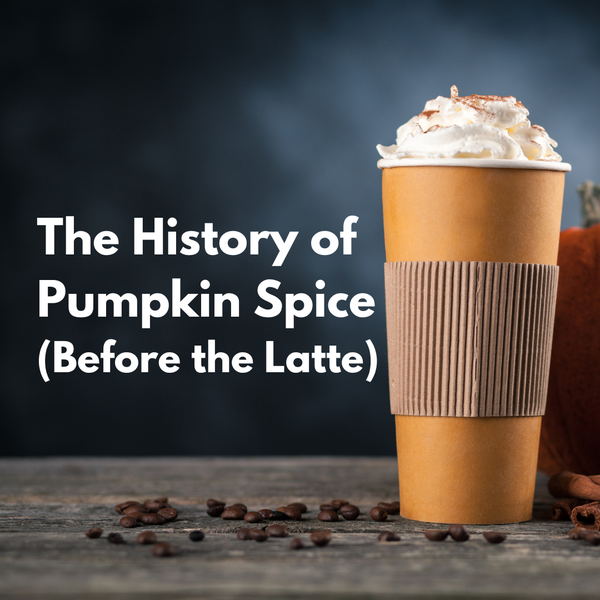
Pumpkin has become the de facto flavor of fall, found in hundreds of products throughout every aisle in the grocery store and on coffee shop menus worldwide. This American-made flavor has a long history as a quiet, seasonal combination of spices pulled out every autumn. Today, an increased preference for seasonal trends has made pumpkin spice a perennial favorite.
The history of pumpkin spice is best divided into two eras. Since Starbucks popularized its seasonal pumpkin spice latte in 2003, the spice has expanded into countless other seasonal foods, scents, and more. Before the PSL, pumpkin spice was a fixture in traditional baked goods for much, much longer than you might expect.
Pumpkin spice is as American as pumpkin pie - literally. The earliest written mentions of pumpkin spice come from the 1798 reprint of Amelia Simmons’ American Cookery, one of the most popular Revolutionary-era cookbooks in the Colonies. Interestingly, Simmons’ cookbook includes two pumpkin spice variations: one pairing nutmeg and ginger, and a second pairing ginger and allspice.
It’s safe to say pumpkin spice was invented in the late 1700s (Amelia probably wasn’t the first to mix it up), but some homemade variations of the spice were likely in pantries at least a few decades earlier.
Pumpkin spice was a fixture in many households throughout the 1800s, but it didn’t hit the big time right away. Over a century later, industrial food and beverage giants like McCormick & Company began manufacturing and marketing pre-mixed pumpkin spice. Those early commercialized versions of pumpkin spice included up to nine spices. Today, McCormick has narrowed the spices in pumpkin spice down to four: cinnamon, ginger, nutmeg, and allspice.
It wouldn’t take long for the pumpkin spice trend to catch on, especially in the hands of a rising international brand with serious marketing chops.
Even though pumpkin spice has been used in kitchens worldwide for generations, many manufacturers were shocked to see how it came to dominate grocery stores and restaurants overnight after the PSL.
Starbucks’ Pumpkin Spice Latte
Interestingly, Starbucks didn’t invent the pumpkin spice latte, but it sure marketed it well. Initially, Starbucks’ Director of Espresso, Peter Dukes, planned to call the store’s new drink the “Fall Harvest Latte” but ultimately switched to a pumpkin spice latte—it seemed to work out okay.
Starbucks rolled out the pumpkin spice latte in just 100 stores, but expanded quickly after consumers crowed about the drink. In 2025, Starbucks released the pumpkin spice latte on August 25 - the second-earliest date ever - and is expected to make as much as $500 million on the drink this season. That’s half a billion dollars for a drink based on a simple combination of spices - not a bad deal!
It’s no wonder more companies have followed suit, offering an entire array of pumpkin-flavored things, including variations of consumers’ favorite foods, fragrances, and cosmetics. Sites like CNN even post annual lists of the best pumpkin-flavored products—and they're definitely worth a read.
Pumpkin spice flavoring is now a seasonal tradition, and Starbucks and other brands have been rolling out pumpkin-flavored products earlier and earlier each year. If you’re a pumpkin lover, that’s delicious news!
Making your own pumpkin spice at home is an easy way to develop your own signature PSL or tweak the ingredients to suit your family’s tastes.
Head to your local grocery store and pick up all the spices you’ll need and find a small glass jar for storage.
Whisk together these tried-and-true pumpkin spice ingredients in the following amounts:
Make pumpkin spice treats at home with the perfect kitchen! While we haven’t been around since 1798, Max’s Service has proudly served Northern Michigan families for generations. With a comprehensive range of home appliances and award-winning repair services, there’s no better place to start your search for appliances. Contact our team or call 231-947-6830 today!
Share on Twitter Share on Facebook
2026
2025
2024
2023
2022
2021
2020
2017

Comments
There are currently no comments
New Comment